
Guiding Customers from Concept to Mineral ProductionMineral Processing Circuit Engineering
Engineering a mineral processing circuit isn’t just about equipment. It’s about getting decisions right before a single bolt is tightened on-site. Whether you’re building a new plant from the ground up, replacing aging equipment and its associated structures, or adding capacity to an existing circuit — the decisions made at the design stage determine what your operation can achieve.
At AMPCO Minerals, we bring application knowledge, design depth, and manufacturing precision together under one roof. Our engineering process applies equally across the full range of project types — so whatever your starting point, your project moves forward with confidence.
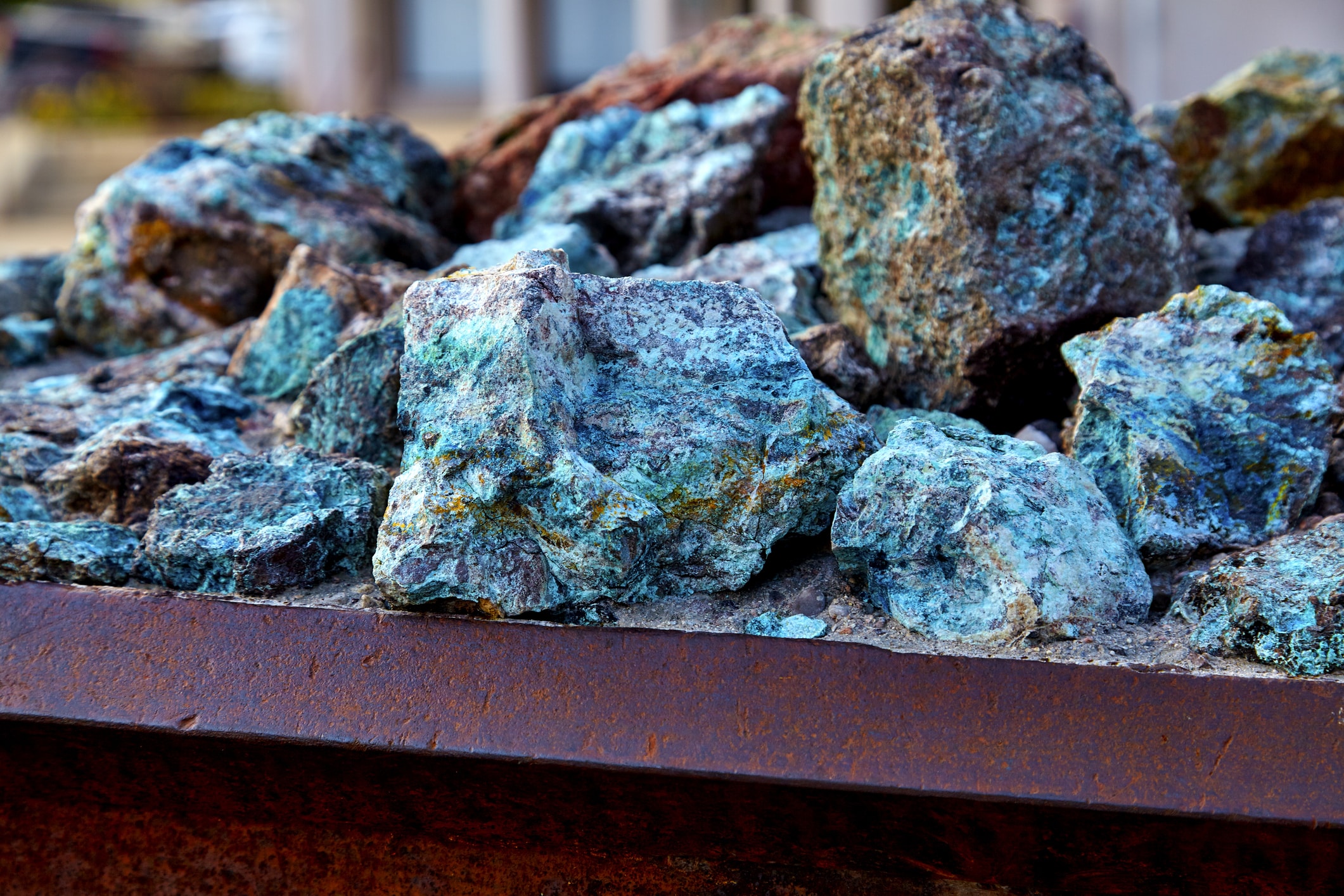

It Starts With Your Material
Every project begins where it should: with your material and your objectives. For a new circuit, that means characterizing the ore from the ground up. For an existing operation, it means understanding what’s currently running, what’s changed, and what the circuit needs to do differently.
Our engineers work directly with your team to define the variables that drives engineering decisions: ore hardness, abrasiveness, moisture content, clay content, and feed size distribution. We pair that with your production targets — throughput capacity and product specifications — and layer in the realities of your site: available footprint, power supply reliability, climate conditions, and environmental requirements.
No assumptions. No generic solutions.
Engineered to Your Circuit
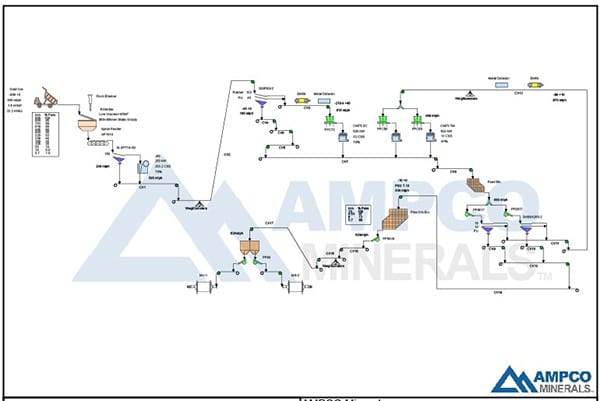
With a full picture of your material, your targets, and your site, we develop detailed flowsheets and layout drawings that define the circuit design — whether that’s a complete new plant, a structural replacement of existing equipment, or the integration of new equipment into a running operation.
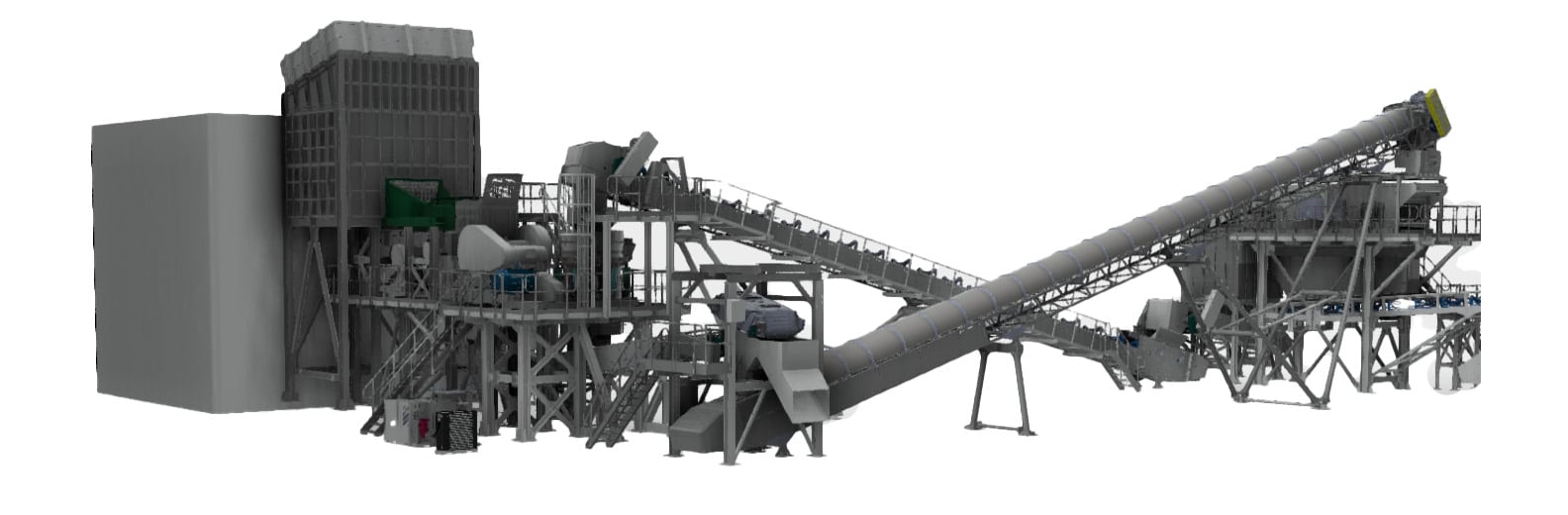
From there, we build a 3D model of the full circuit — not just individual pieces of equipment — to surface potential on-site challenges before manufacturing begins. For expansion and retrofit projects, this step is especially critical: the model allows new equipment to be integrated precisely into existing infrastructure, with maintenance access, structural interfaces, and material transfer points resolved before fabrication.
Problems resolved on a computer monitor or in a workshop cost a fraction of what they cost in the field.
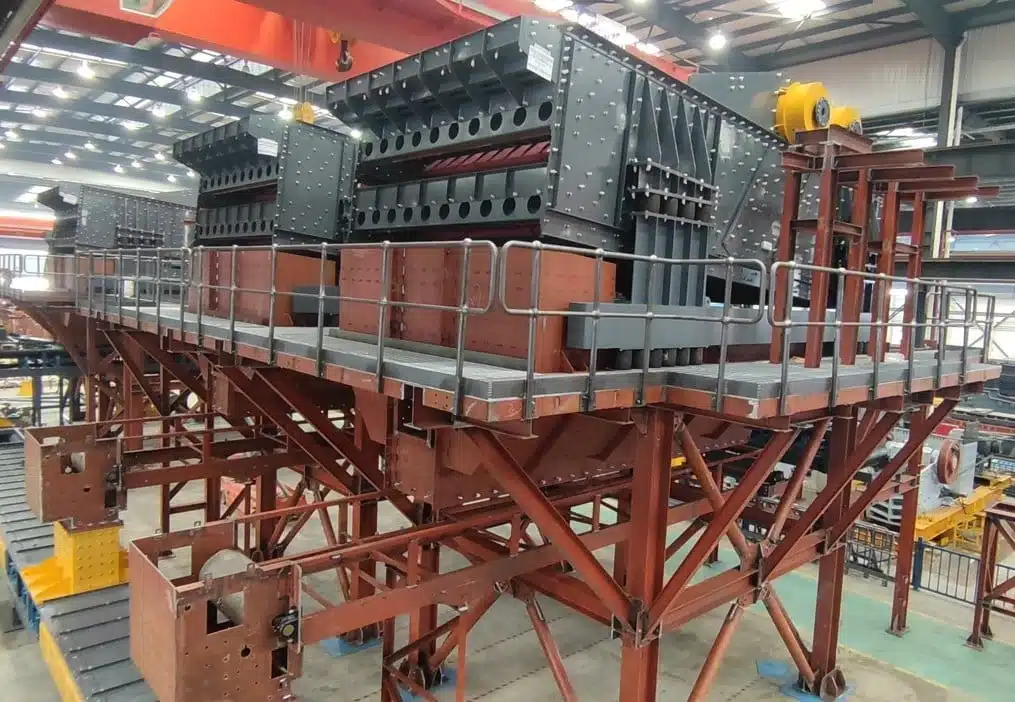
Factory Acceptance Testing — See It Run Before It Ships
We invite our customers into the factory for equipment testing and a full trial assembly before any equipment ships. This is where the details get confirmed, not assumed. During this stage, our team works alongside yours to:
- Validate the plant design against project specifications and local standards
- Identify transitional areas prone to spillage and accelerated wear
- Evaluate conveyor-to-station interfaces for smooth material flow
- Confirm access points for safe personnel and machinery movement during operation and maintenance
- Support a full Hazard and Operability (HAZOP) study
This is your opportunity to see the circuit assembled, ask hard questions, and leave with confidence — before the equipment ever arrives at your site.
Through Delivery and Beyond
Our team can be on-site during installation and startup to ensure everything commissions the way it was designed. And when we hand over the keys, you’re not on your own. Our After-Sales Service team stands ready to keep your operation running at full productivity.

Frequently Asked Questions
What information does AMPCO Minerals need to begin engineering a project?
Every project starts with three categories of information: material characteristics (ore hardness, abrasiveness, moisture and clay content, feed size distribution), production requirements (throughput capacity and product specifications), and site constraints (available footprint, power supply, climate conditions, and environmental regulations). The more precisely these variables are defined at the outset, the more accurately the circuit can be engineered to perform.
Does AMPCO Minerals design complete processing plants, or can you work with an existing circuit?
Both. AMPCO Minerals engineers and delivers complete mineral processing circuits from concept to production — and we also work within existing operations to replace individual pieces of equipment and their associated structures, or to add new equipment that increases throughput capacity.
Whether you’re building from the ground up, modernizing aging infrastructure, or expanding production, our engineering process applies the same rigor: flowsheet review, 3D modelling, equipment specification, factory acceptance testing, and installation support — so the work integrates cleanly with what’s already running.
What is Factory Acceptance Testing (FAT) and why does it matter?
Factory Acceptance Testing is a trial assembly of various plant modules at our facility before any equipment ships. Your team works alongside ours to validate the design against project specifications, review material transfer points and wear zones, confirm maintenance access, and a Hazard and Operability (HAZOP) study — so problems are resolved at the factory, not on-site under production pressure.
What does 3D circuit modelling identify that 2D drawings miss?
A 3D circuit model surfaces structural conflicts, access constraints, and material transfer point issues that are invisible on a flat 2D drawing. Equipment that can’t be maintained without removing adjacent structures, walkways that don’t connect, and chute geometry that causes spillage are all straightforward to resolve in the model — and significantly more expensive to resolve in the field. For expansion and retrofit projects, the 3D model is also how we verify that new equipment integrates precisely into existing infrastructure before a single piece is fabricated.
Does AMPCO Minerals provide support during installation and commissioning?
Yes. Our team can be on-site during installation and startup to ensure the circuit commissions the way it was designed. We consider installation and commissioning support part of our project delivery — not a separate service engagement.
How does AMPCO Minerals handle projects in remote or challenging site conditions?
Site constraints — including remote location, climate extremes, altitude, limited power infrastructure, and restricted equipment access — are captured during the initial engineering phase and directly inform circuit design. Equipment selection, layout decisions, and maintenance access planning all reflect the realities of your specific site, not a generic template.
At what project stage should we engage AMPCO Minerals?
The earlier the better. Engaging AMPCO Minerals at the concept stage — before flowsheets are drawn or equipment is specified — ensures that the foundational engineering decisions are made with full knowledge of your material, your production targets, and your site.
For expansion or retrofit projects, early engagement allows new equipment to be scoped and integrated without disrupting what’s already running. Decisions made correctly at the concept stage cost a fraction of what they cost to reverse later.
AMPCO Minerals and Vanguard Mining
For projects in Australia, AMPCO Minerals works in partnership with Vanguard Mining — bringing the same engineering rigour, circuit design capability, and project delivery approach we apply globally to customers operating under Australian standards and conditions.
Vanguard Mining is ISO certified, well-versed in Australian Standards, and based in Perth, Western Australia — giving customers a locally grounded delivery partner with deep familiarity with the Australian regulatory and operational environment. Together, we provide a single, accountable path from concept to production, without any gap between the engineering and the execution.